Electrical Steel in Transformer Supply: What Buyers Should Specify
How to define electrical-steel grade, magnetic test conditions, coating, delivery form and traceability without confusing material properties with transformer performance.
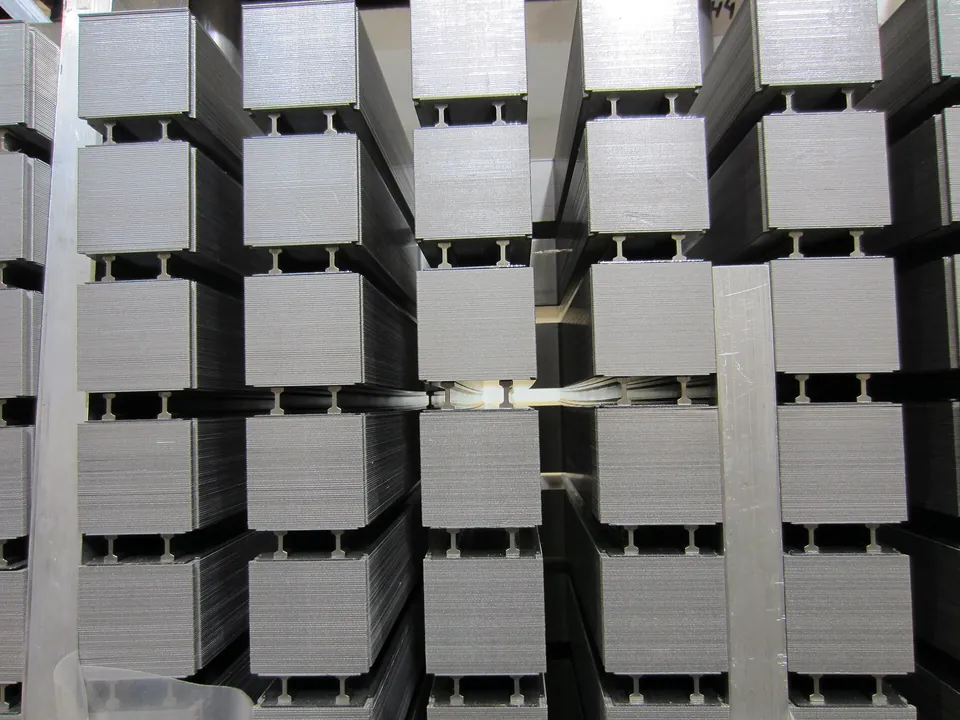
A generator stator core illustrates a laminated electrical-steel application. It does not identify an offered transformer steel grade or an Aurona-manufactured product.
Wtshymanski · CC BY-SA 3.0 · Generator Stator Core Vent Slots.JPG
Key takeaways
- Order an exact grade and delivery condition rather than a broad electrical-steel category.
- Magnetic values require a shared test basis; typical data is not batch acceptance evidence.
- Steel properties, core processing and completed transformer performance carry different responsibilities.
Define whether the purchase is steel, a core or a transformer
Electrical-steel procurement starts with a boundary question: is the buyer purchasing coil, slit strip, cut laminations, an assembled core or a complete transformer? Each deliverable carries different responsibilities. An RFQ that leaves this unclear can produce offers that cannot be compared, even when they mention the same nominal grade. State the receiving form, the processing already included and the operations that another party will perform after delivery.
A manufacturer’s transformer performance commitment also differs from a steel producer’s material data. Keep those obligations separate in the specification and commercial review. If several organizations contribute to the final assembly, identify who approves the core design, who controls processing and who demonstrates the equipment’s performance. Procurement should preserve that chain of responsibility rather than treating a material datasheet as evidence for the completed transformer.
Specify the electrical-steel family and exact designation
Grain-oriented and non-oriented electrical steels serve different magnetic design needs. Manufacturer literature associates grain-oriented material with transformer applications and non-oriented material with applications such as rotating machines. These broad categories help organize a request, but they do not select a grade for a particular design. Ask the design authority to state the required family, grade designation and any permitted supplier-specific equivalents.
ASTM A876 addresses fully processed grain-oriented electrical steel. IEC 60404-8-7 addresses cold-rolled grain-oriented strip and sheet. When a project cites a standard, identify the edition, applicable amendments and the exact ordered grade, together with supplementary requirements. Do not assume that similarly named commercial grades or grades expressed under different systems are interchangeable. Require a comparison against the approved requirement and a recorded engineering disposition before accepting an alternative.
Make magnetic properties comparable
Magnetic performance values need their test context. The IEC publication for Epstein-frame measurements defines a particular measurement method; the grain-oriented material standard also addresses magnetic properties and inspection. A supplier’s reported result should therefore identify the property, test method and relevant test conditions. Comparing values taken under different conditions can obscure the very distinction that the material specification is intended to control.
Build the quotation review around a common evidence request. Identify which characteristics are guaranteed limits, which are typical values and which are supplied only for information. Ask what record accompanies the ordered batch and whether it uses the required reporting basis. Any gap belongs in the clarification register. A lower quoted loss value in a brochure should not automatically displace the specified material or a transformer manufacturer’s approved design.
Treat insulation coating and processing as linked requirements
Electrical-steel coatings are functional features. Manufacturer catalogs distinguish coating types and describe different processing characteristics. Identify the approved coating designation alongside the steel grade instead of relying on a general phrase such as insulated steel. If later operations include cutting, punching or heat treatment, the responsible processor should confirm compatibility using the relevant manufacturer’s information and the project’s accepted process requirements.
A coating option described for one supplier’s product is not a universal substitute for another. Ask the bidder to state the proposed combination of grade, coating and delivery condition in one place. Record any planned subcontracted processing and who maintains the material identification through that work. Where the requirement is not yet final, separate the technical evaluation from the order release so that an unresolved processing assumption does not become a hidden commercial commitment.
Translate the production requirement into an ordered form
For coil or slit material, the receiving operation needs more than a nominal thickness. The buyer should define the dimensions, tolerances, coil constraints and packaging requirements that its equipment and handling plan require. For cut pieces, use controlled drawings and identify orientation, piece counts and the intended sequence or grouping where relevant. The supplier should return a clear statement of what is included rather than leaving the buyer to infer it from a catalog.
Discuss inspection at the same time as geometry. State the agreed characteristics to be checked, the records required and the party responsible for resolving discrepancies. If the buyer needs a sample or a trial quantity before routine supply, define its purpose and acceptance process. A trial can answer a specific production question; it does not automatically qualify every future grade, thickness, coating or processing route.
Keep traceability usable across processing steps
A material identification system is valuable only if it survives the actual workflow. Ask how the supplier identifies the parent material and how that identity follows slit coils, cut pieces or packaged sets. The required level of traceability should come from the project quality plan. Make the expected relationship between labels, delivery documents and inspection records explicit before the material is divided into smaller units.
Receiving personnel should be able to connect the delivered item to the agreed purchase requirement without reconstructing a chain of emails. A practical review package contains the purchase reference, material designation, ordered condition, applicable drawing or specification revision and the agreed test or conformity records. If a document is missing, record the exception and the authorized disposition. Do not replace an unavailable batch record with unrelated typical catalog data.
Review substitutions and schedule assumptions together
A proposed substitution can change more than the unit price. It may require a new technical review, a production trial or a change to the downstream manufacturer’s documentation. Ask the bidder to identify these differences before comparing the commercial offers. Evaluate the cost and schedule of the complete accepted scope, including processing and evidence, rather than treating all material sold under the electrical-steel category as a single interchangeable commodity.
Close the RFQ with a list of open decisions and named decision owners. Record the requested delivery sequence separately from confirmed supplier dates. This creates a useful basis for a procurement conversation without promising availability or an equipment completion date that has not been established. The same discipline helps a buyer recognize whether a delay arises from material sourcing, incomplete technical information or a pending approval.
- Define the purchased form and the boundary of supplier responsibility.
- Identify grade, standard edition, coating and approved processing condition.
- Compare magnetic data on an agreed test and reporting basis.
- Agree identification, inspection records and deviation approval before release.
Sources & further reading
- Electrical steel: product overview
thyssenkrupp Steel · Accessed
- ASTM A876-17(2026): Flat-Rolled, Grain-Oriented, Silicon-Iron, Electrical Steel, Fully Processed Types
ASTM International · Accessed
- IEC 60404-8-7:2020: Cold-rolled grain-oriented electrical steel strip and sheet
International Electrotechnical Commission · · Accessed
- IEC 60404-2:1996+AMD1:2008 CSV: Measurement of magnetic properties by means of an Epstein frame
International Electrotechnical Commission · · Accessed
- powercore grain-oriented electrical steel: insulation types
thyssenkrupp Steel · Accessed
- Electrical Steel Sheets: product catalog
Nippon Steel · Accessed