Transformer RFQs: Project Information Suppliers Need Up Front
A transformer inquiry becomes easier to evaluate when electrical requirements, physical interfaces and the approval process arrive together. A useful RFQ makes missing decisions visible before they become quote assumptions.
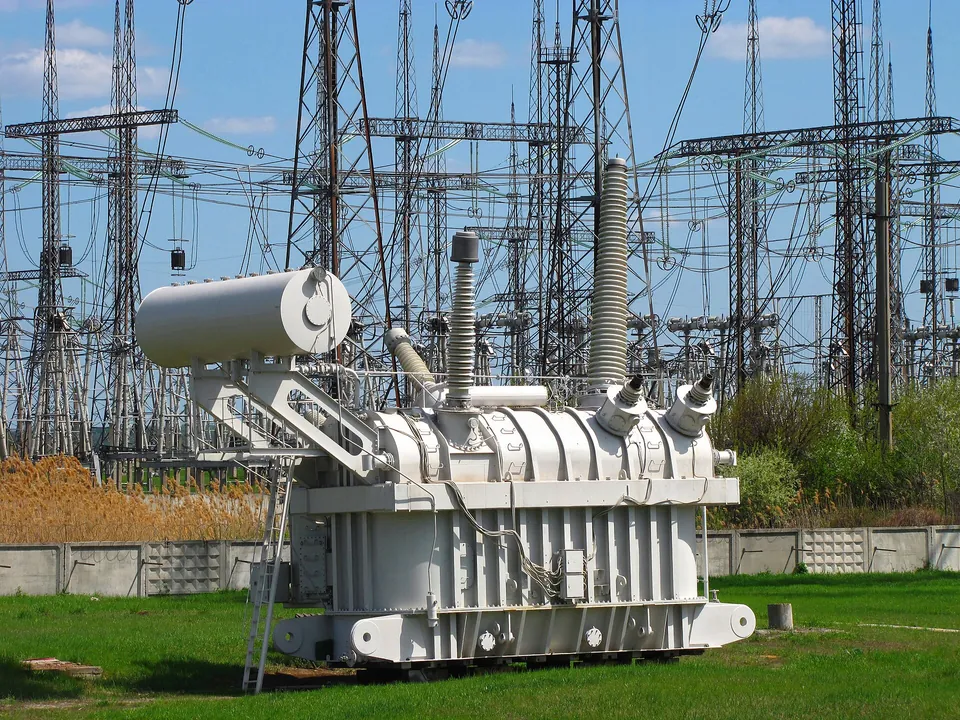
Representative transformer equipment in a third-party power infrastructure application; not an Aurona installation or offered model.
Novoklimov · CC0 1.0 · Image source
Key takeaways
- Identify the equipment, controlling documents and unresolved decisions together.
- Keep electrical ratings, physical interfaces and accessories in one coordinated package.
- Compare quotations against the same revision and obtain qualified approval for deviations.
Start with a project package, not a product nickname
“Transformer required” identifies a product family. It does not tell a supplier which requirement to price, which drawings control the scope or which unanswered questions belong to the engineer. The first useful improvement is organizational: give the inquiry a project reference, an equipment tag, a quantity and a document register. A supplier should be able to point to the same item in the schedule, single-line diagram and written specification without guessing.
This guide concerns the information exchanged during procurement. It does not select a transformer or establish its suitability. For a new installation, use the responsible engineer’s requirements. For a replacement, provide the existing identification and available drawings while identifying what is changing. A photograph of an old nameplate is useful evidence, but it does not establish that a replacement with similar headline ratings will fit the complete application.
Keep electrical requirements together
The inquiry should state primary and secondary voltages, phase, frequency, required capacity and the specified winding or connection arrangement. Identify the required taps, impedance information and insulation requirements where the project documents define them. Distinguish a requirement from a value that remains to be confirmed. A blank field should lead to a question, not an assumption silently carried into the quotation.
The Alaska Energy Authority’s published transformer purchase specification illustrates how an actual buying package separates voltage, phase, frequency, capacity and other ratings. Its values belong to that procurement; they are not defaults for another site. Eaton’s substation technical information likewise distinguishes construction and insulation options. The lesson for an RFQ is to preserve the project’s combinations rather than assemble a specification from unrelated catalog examples.
Describe the place the transformer must occupy
An electrical match can still leave a physical mismatch. Provide the installation environment, available space, access restrictions and connection drawings. State whether the request is for a standalone unit or an assembly interfacing with adjacent equipment. Include incoming and outgoing connection locations, cable or bus interfaces and any existing foundation information that the project team has confirmed.
Eaton’s selection help treats bushing locations, tank and cooling arrangements, monitoring and protection accessories as distinct choices. Hammond Power Solutions’ installation guidance treats ventilation, accessibility, handling and connections as subjects requiring attention for the product it covers. These references support asking for complete interface information. They do not justify borrowing a clearance, lifting method or enclosure designation from one transformer and applying it to another.
List accessories and define who supplies each one
Avoid relying on “complete with standard accessories.” Standard can describe different packages from different suppliers. Ask the project team to identify required monitoring, temperature indication, alarms, protection, switches and other accessories. For each item, record whether it is included with the transformer, supplied separately or provided by another contractor. Identify required control power and communications interfaces without choosing them on the supplier’s behalf.
A practical scope table can be short. One row identifies the transformer; another identifies its specified accessories; a third identifies the connection to adjacent equipment. Each row names the controlling drawing and the person who resolves exceptions. This does not replace the technical specification. It makes the commercial boundary easier to see, especially when two quotations include different combinations of equipment and services.
Make the document register part of the request
A drawing revision is part of the requirement, not a filing detail. Send a compact register with document number, title, revision and issue date. State which document governs if the schedule and narrative differ, or flag the conflict for clarification. Remove superseded attachments from the active package while retaining them in the project record. Tell suppliers how later revisions will be issued and acknowledged.
Request the proposed supplier’s submittal package, relevant drawings, agreed test records and installation information at the appropriate stages. Name any owner, utility or engineer approval needed before manufacture or shipment. The Alaska procurement separates product requirements from submittal and delivery obligations; that separation is useful even when the commercial arrangement differs. A supplier acknowledgment of receipt is not the same as approval of the technical submission.
References: [4]
Distinguish a needed date from a confirmed date
State the destination and the date the project needs the equipment. Also explain what that date means: arrival at a receiving facility, availability for a planned installation or another defined milestone. Identify unloading responsibility, storage constraints and packaging requirements. A quotation should make its own delivery assumptions visible, including any dependence on drawing approval or release of outstanding information.
For example, a buyer might request delivery before a planned shutdown while the connection drawing remains unapproved. The useful response is not to hide that conflict behind “urgent.” Identify the drawing decision, its owner and the latest project review point. Ask the supplier to distinguish an indicative schedule from a confirmed commitment. An early inquiry can support planning without pretending that every condition for manufacture and delivery has already been met.
Read the exceptions before comparing the totals
Compare each response against the same RFQ revision. Record included equipment, accessories, documents, exclusions and proposed deviations before comparing headline prices. If a supplier proposes an alternative, keep the original requirement visible and route the difference to the person authorized to evaluate it. A lower price can describe a different scope; a familiar manufacturer name does not resolve that difference.
The most useful final review asks three separate questions: does the proposed supply address the stated technical requirement, is the commercial scope understood, and have the responsible parties approved the remaining decisions? Keep the answer to each in the record. A well-prepared RFQ cannot guarantee availability or remove the need for engineering judgment, but it gives that judgment a clearer basis and makes the resulting quotation easier to review.
Sources & further reading
- PSD Substation Transformers — Bid Manager Help
Eaton · Accessed
- Primary unit substations — technical information
Eaton · Accessed
- Installation, Operation, and Maintenance Guide — TIT3IM, January 2019
Hammond Power Solutions · Accessed
- RFQ 25029 — Kwethluk Padmount Transformer Purchase, Appendix A Specifications
Alaska Energy Authority · Accessed